
Edinburgh · Scotland
Drylaw Bathroom Resealing
Problem with your baths, showers and worktops in Drylaw? We remove the old material, prepare the joints and seal them properly, and the work is guaranteed for a year.
- Sealant that has split, shrunk or peeled away
- Black mould in the silicone that won’t clean off
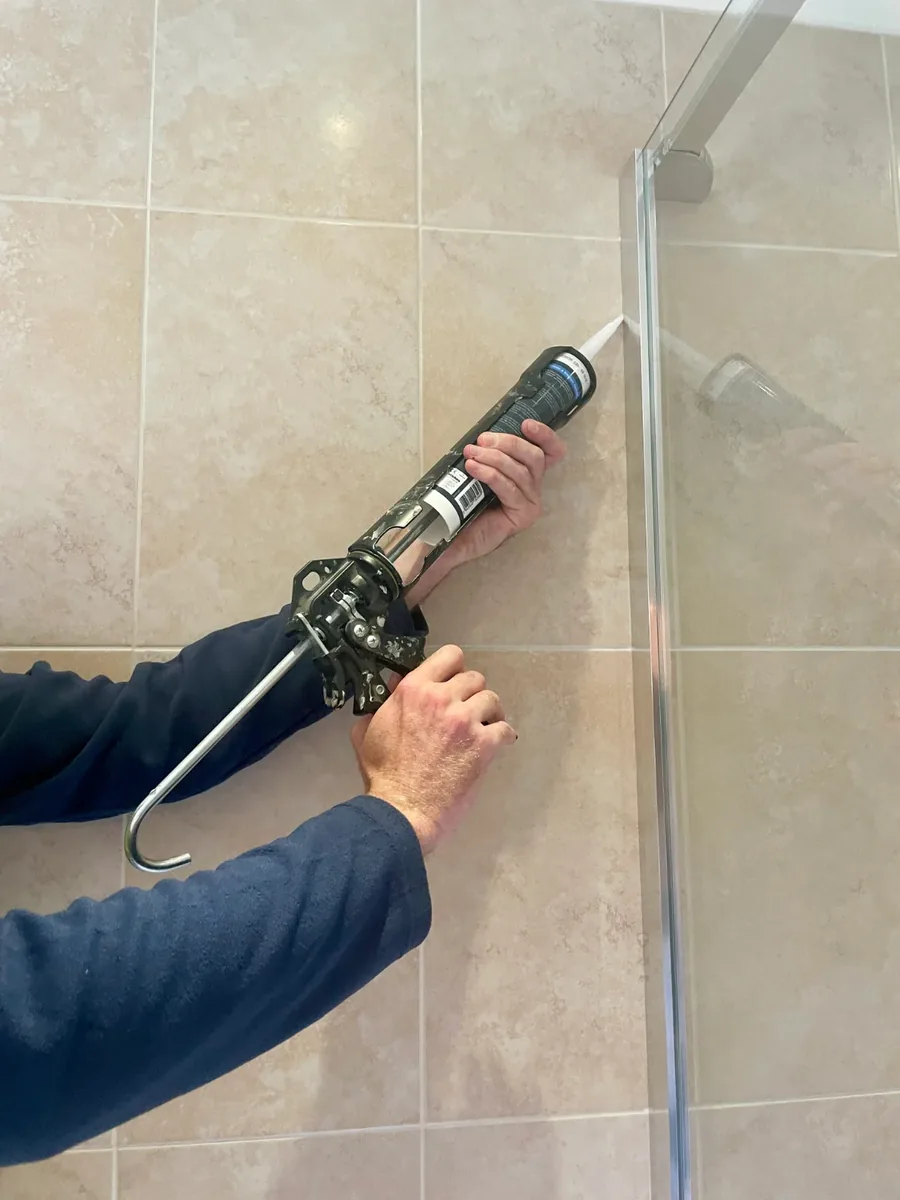
- Failed sealant on the screen profile
About our bathroom resealing in Drylaw
Kitchens need the same care as bathrooms. Worktop upstands, sink edges and splashback joints get wet every single day, and water that gets into the back edge of a worktop can swell the board. Kitchen joints get a sealant suited to kitchens, colour-matched where it shows. We work on basins & vanity units, wet rooms and baths, and the jobs we see most are water escaping at the shower enclosure and damp behind the bath or under the tray.
From stone-built tenements to new flats and suburban houses, Drylaw is in a city with every kind of home. Generally soft Scottish water means less limescale, but steam and poor ventilation still let mould into the sealant and grout.
Each job carries a 12-month guarantee, whatever its size.
- Place
- Drylaw (EH4, EH5)
- Region
- Edinburgh
- Cover
- One year on every job
- Quotes
- A clear price before work begins
- info@mrmastic.co.uk
- Updated
- 26 October 2026
FAQs for Drylaw
Could a leaking bath seal in my Drylaw flat reach the neighbours below?
Yes. With flats above and below, a leak from a failed seal rarely stays in one flat. Cutting out the old sealant and laying a fresh bead puts a stop to it.
Do you take on hotel work around Drylaw?
Yes. Hotel and guest-house work is part of what we do. Jobs can be programmed room by room, with out-of-hours working possible to arrange.
Do I have to be there?
It depends on the job. Inside work needs someone to give us access, while outside work can sometimes be arranged differently.
Are you an approved applicator?
Yes. We are ARBOMaster approved, the scheme for applicators of Arbo sealants.
Are you fully insured?
Yes. We are fully insured for every job we do.
Can mouldy silicone be sorted out?
Yes, by replacing the sealant. Sprays can fade the marks, but cutting it out and resealing is what lasts. Airing the room well helps stop it returning.
Where do you work from?
We’re based in Crawley, and we cover South East England, London and all of Scotland.
Will the old sealant be removed?
Yes. Sealing over the old bead is the commonest cause of early failure, so we never do it.
Places near Drylaw
What else we do in Drylaw
What happens if it’s left?
A clean new bead makes a room look cared for, which matters if you are letting a property or selling it. Lumpy sealant with smears on the tiles has the opposite effect, and it’s harder to put right later. In a tenement flat in Drylaw, a failed seal is rarely just your problem: water can reach the flat below, and gaps in shared walls or fire-stopping affect the whole stair.
There are no prices on our website, because the cost depends so much on the job itself. For a quick quote, please drop us a line at info@mrmastic.co.uk and we will talk you through it.
Why us?
- Any old sealant cut out fully, not covered over
- 4.9 on Google from 180+ five-star reviews
- Over 20 years’ experience
- We leave the area clean and tidy
Take a look at our cost guide or what customers say.
What we cannot put right
Sealant is not the answer to every problem, and we’d rather say so up front. Sealant won’t put right:
- Damage behind the tiles that needs a tiler
- Water getting in through the grout rather than the sealant
- A leaking waste, trap or valve
If in doubt, email us at info@mrmastic.co.uk and we will say what we think.
What we seal
- Wet rooms
- Basins & vanity units
- Shower trays & enclosures
- Kitchen worktops & upstands
- Baths
- Sinks & splashbacks
Work for landlords, hotels and businesses
Housing providers, facilities teams and property managers book us too in Drylaw and across Edinburgh. Several sites can go on one quote.
Whether it’s one flat or a portfolio, the work is the same standard: the old material taken out, careful preparation and a 12-month guarantee.
Bathroom resealing in Drylaw: local notes
Drylaw is close to the coast. Near the coast, holiday lets and guest houses can see bathrooms used by one guest after another, which wears sealant and grout out faster than in a quiet home. In Scotland, private landlords have to meet the Repairing Standard, which covers keeping fixtures and fittings in a reasonable state of repair. Tired, leaking sealant is worth putting right before a new tenant moves in.
For landlords with property near Haymarket station, a reseal between tenants is a quick way to make the bathroom and kitchen look cared for. If you live in an older home near St Columba's Parish Church, walls and floors in older homes can move, and sealant and grout show it first.
Drylaw is about 2 miles west of Stockbridge, in Edinburgh. Whether you’re in the middle of Drylaw or further out, we cover bathroom resealing for every kind of property, from flats and houses to offices and hotels. Across Edinburgh, we cover 175 places, Drylaw among them.
Work in EH4 and EH5 works the same way as everywhere else we cover. We cover properties on Mottram Road, Telford Road and Drylaw Avenue and the roads around them. Being close to the A902, Drylaw is easy for our applicators to reach. Nearby, we also carry out bathroom resealing in Blackhall (1 mile south-west), Muirhouse (1 mile north), Crewe Toll (1 mile north-east), East Pilton (1 mile east) and West Pilton (1 mile north). Larger places within reach include Leith (3 miles east), Bonnington (3 miles east), Greenside (3 miles east), Buccleuch (3 miles south-east), Pilrig (3 miles east) and North Leith (3 miles east).
Around Drylaw
Around Drylaw, our work takes us to homes and buildings near Stewart's Melville College and Gabrielle Keiller Library. For rail, the closest station is Haymarket station, about 1.7 miles south-east. Other landmarks nearby include Western General Hospital (0.6 miles east) and Murrayfield Experience (1.6 miles south). The countryside around Drylaw includes Corstorphine Hill and Dunsapie Loch.
How the job changes by surface
Kitchen worktops & upstands
Kitchen joints need more degreasing than bathroom ones, because cooking grease stops sealant bonding. Proper degreasing is what helps the new joint last.
Basins & vanity units
A vanity top has a joint along the wall and sometimes at the sides. Water that gets behind can damage the unit, so a neat, continuous bead matters.
How the visit works
A visit follows a simple pattern: we check the joints, mask and protect the surrounding surfaces, carry out the job and tidy away. It generally takes two to three hours for a typical bath, depending on how much old sealant there is. In a city area like Drylaw, parking may be by permit or pay-and-display, so tell us what’s nearby. If you are in a flat, let us know how we get in at the street door.
- We protect the area and cut out all of the old sealant.
- We clean and degrease the joint and treat any mould.
- The joint is left to dry, and baths are filled with water first.
- A single bead of anti-fungal sanitary silicone is applied and tooled smooth.
- Finally we tidy up and explain the cure time before we leave.
Getting ready for the visit
- Where the joints are inside, avoid wetting them before we arrive
- On commercial sites, let us know about site rules
- Mention if the joints have been sealed before
Ask for a quote
To get a quote, drop us a line at info@mrmastic.co.uk with the location and a short description of the problem. We will give you a clear quote before any work starts.
Related advice
What we’re called out for in Drylaw
Silicone doesn’t last for ever. Daily water, heat and cleaning products take their toll over the years, and how long it lasts comes down to use, cleaning and ventilation.
People usually contact us when they notice one of these:
- Leaking joints on a shower screen
- Gaps where the bath or tray has moved
- Black mould in the silicone that will not clean off
- Smears of silicone across the tiles
For site and facilities teams at buildings such as Craigroyston Community High School, we reseal washrooms and kitchens in schools and businesses as well as homes.
Comparing quotes
- What guarantee comes with the work
- Is VAT in the price?
- What preparation is included
- Whether they’re fully insured
How to look after the new joints
How long the joints last depends on use and care. Here’s what we suggest:
- Stick to a soft cloth and a mild cleaner
- Give the silicone its full cure time
- Wipe the sealant dry after showering
- Keep bottles off the sealant line
Wipe up standing water along the worktop joint and keep hot pans away from the silicone. A dry joint lasts longer.
Small signs come before a leak: a corner lifting, a gap behind the bead, a dark line under the silicone or a damp patch on the ceiling below. Any of these means the joint needs attention.