
Kent · England
Sole Street Regrouting
Our applicators work in Sole Street on raking out old, cracked or stained grout and regrouting tiled walls and floors. Old sealant removed completely, joints prepared properly and every job guaranteed for a year.
- Grout stained black or orange that won’t clean
- Grout in a colour the owner wants to change
- Grout in corners that has cracked
Landlords, agents and businesses in Sole Street
We also work for businesses, from offices to washrooms and kitchens. On commercial sites, working times can be discussed when we quote.
Housing providers, facilities teams and property managers book us too. We can quote a run of properties together, and we’re fully insured.
How we handle regrouting in Sole Street
We take the old grout out to a consistent depth, without damaging the edges of the tiles. After vacuuming, new grout goes in and the tiles are wiped clean, with silicone renewed in the corners. If you have grout in corners that has cracked and good tiles let down by tired grout, we can put it right, whatever the surface.
Around Sole Street, it’s houses and cottages rather than flats. Sealant and grout wear out here just as they do anywhere: old material cut out, joints cleaned and a fresh finish laid.
A 12-month guarantee comes as standard, so you’re not left on your own once the job is done.
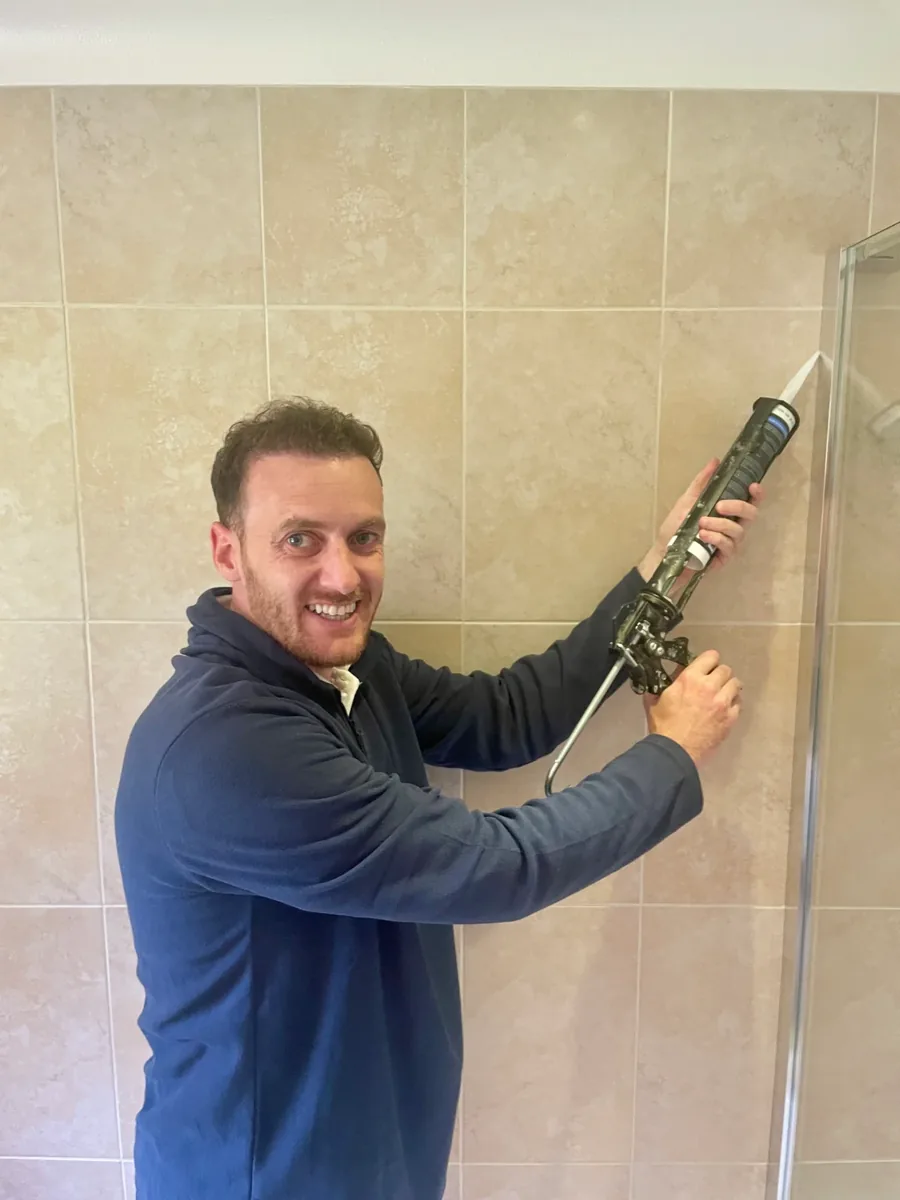
- Location
- Sole Street (DA13, DA12)
- Wider area
- Kent
- Guarantee
- 12 months on all our work
- Quote
- A clear price before we start
- Call
- 0345 464 0079
- Last updated
- 26 October 2026
Common questions in Sole Street
I let a flat near Sole Street station. Can you help?
Yes, rental work is part of what we do. Just phone 0345 464 0079 or send us an email and tell us about the property, and we’ll give you a clear quote.
Is Sole Street within the area you cover?
Yes, Sole Street is covered. Our work covers London and the South East, from towns to the smallest places. The journey is planned ahead, so it helps to know about access.
Should corners be grouted or sealed?
We seal corners with silicone. They flex, and grout there cracks.
How soon can the shower be used after regrouting?
It varies with the products and the room. We’ll give you a time to follow when the job is done.
Do I have to be there?
It depends on the job. Inside work needs someone to give us access.
Do you regrout part of a bathroom, like the shower?
Yes. Many jobs are just the shower walls, or just the joints that have failed.
Are you fully insured?
Yes. We are fully insured for every job we do.
Will you leave a mess?
We keep the work tidy. Nearby surfaces are protected, and we clear up when we are done.
Why act early in Sole Street
New grout smeared over the old doesn’t bond well. It sits thinly on top and soon flakes away, taking any repair with it. Raking out to a consistent depth gives the new grout something to hold. Older cottages and farmhouses around Sole Street can have timber floors and frames, and water through a failed joint can rot timber if it’s left.
The cost depends on the size of the job, how hard the old material is to remove and how easy the joints are to reach. You’ll have a clear quote before any work starts, so you know where you stand.
Why book with us
- Anti-fungal sanitary silicone in wet areas
- Fully insured
- We leave the area clean and tidy
- Experience in homes, commercial sites and hotels
Take a look at what affects the cost and our reviews.
What affects the quote in Sole Street
Every job gets its own quote. These are the things that affect it:
- How many areas need sealing
- Whether there’s mould to deal with
- When we can work, for business premises
- How much old sealant there is and how hard it is to remove
The cost reflects the work involved, not guesswork. That’s why we ask about the job first and agree the price before starting.
Helping us quote
There’s no need for technical detail. Just tell us:
- How we’d reach the joints
- The address or postcode of the job
- How many joints, rooms or windows are involved
- What the problem is, such as mould, gaps, leaks or cracking
We quote each job on its own. Just phone 0345 464 0079 or email us with the details, and photos are welcome.
Also near Sole Street
What else we do in Sole Street
What regrouting looks like in Sole Street
Hard water is the norm across most of the South East, so limescale builds up on sealant, grout and fittings, and it has to be cleaned off before new sealant goes in.
If you look after a building such as Cobham Primary School, its toilets, changing areas and kitchens need their sealant renewed like any other building’s. Rented homes near Sole Street station change hands often, and a regrout while the flat is empty is quicker than working around a tenant. For an older house near a landmark such as St Mary's Room, bathrooms in older houses have often been refitted more than once, with sealant laid over sealant.
Sole Street is about 3 miles south of Gravesend, in Kent. For regrouting in and around Sole Street, please phone 0345 464 0079 or send us an email for a quick quote. We are based in Crawley and cover Kent. Sole Street is one of 922 places in Kent where we work for regrouting. For nearby work, see our London page, about 22 miles away.
Jobs for regrouting in DA13 and DA12 works the same way as everywhere else we cover. Regrouting is available to properties on Scratton Fields, Sole Street and Manor Road. We also cover Gold Street (1 mile east), Round Street (1 mile north), Henley Street (1 mile south-east), Meopham (1 mile south-west) and Foxendown (1 mile south). We also work in nearby towns such as Maidstone (10 miles south-east), Dartford (8 miles north-west), Sevenoaks (11 miles south-west), Gravesend (3 miles north), Tonbridge (14 miles south) and Northfleet (4 miles north-west).
Around Sole Street
Locally, jobs take us to homes and businesses close to The Railway Inn, Meopham School and Camer Park Country Park and the streets around them. Sole Street has its own railway station: Sole Street station. Other landmarks nearby include Gravesham Museum (3.9 miles north) and Gravesham Community Hospital (4 miles north). For a walk, there’s Ranscombe Farm and Gad's Hill.
What we do, step by step
Before we leave, we go over the finished joints with you and tell you how long to leave it. The visit itself generally takes a few hours, or longer for a fully tiled room, depending on the amount of work. In a small place like Sole Street, access is usually the main thing to plan. If the job is outside, mention outbuildings, exposed walls and how to reach them.
- Every tile area is checked for hollow or loose tiles first.
- The old grout is removed to an even depth.
- We vacuum the joints so the new grout bonds.
- We regrout the joints and clean the tile faces.
- We finish with silicone in the moving joints.
Getting ready for the visit
- Let us know if you’ve seen damp or leaks
- Clear items away from the joints we are working on
- For business premises, tell us about site rules or sign-in
Get a quote
Quotes start with a quick conversation. Tell us what’s wrong, where it is and how much there is. When it suits you, ring 0345 464 0079 or email us.
Read more
DIY versus a professional finish
What a professional job adds is preparation and the right product. We take joints back to clean, dry surfaces, and the sealant is chosen for how the joint moves and where it is, and the work is guaranteed for a year.
A careful DIYer can reseal a simple joint, like a short, easy-to-reach joint indoors. Where it goes wrong is sealing over the old bead, working on a wet joint or overloading the gap.
Aftercare tips
After the cure time, these simple habits help:
- Keep harsh bleach and acid cleaners off the grout
- Use a soft brush rather than a wire one
- Use gentle cleaners on grout
- Give the walls a quick rinse after use
Check the corner silicone now and then. It’s the part that moves, so the sealant there will need renewing in time, long before the grout does.
Fixing grout early is a small job. Left, the same problem can let water through so it’s worth dealing with as soon as you spot it.
Different surfaces, different methods
Shower walls
Shower walls get wet every day, so grout there works hardest. It’s often the first place grout washes out.
Corners and edges
Where tiles meet a bath, tray or worktop, the joint is sealed. Grout there would crack.